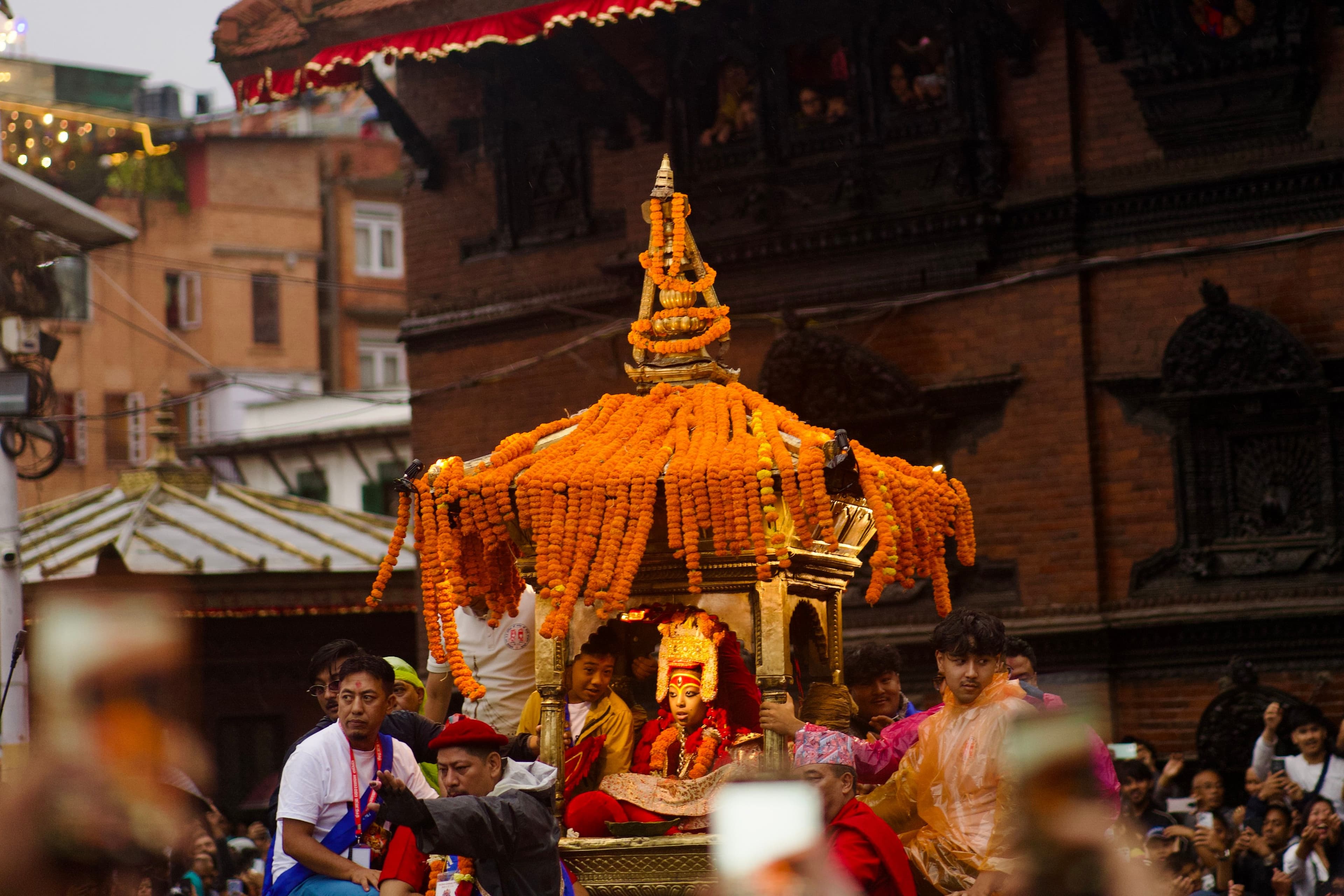
“Discover one of Nepal's most fascinating cultural traditions, where a young girl is revered as a living goddess and centuries-old rituals bring the historic streets of Kathmandu to life.”
Nepal is a country of magnificent mountains, ancient temples, diverse cultures, and extraordinary traditions. Among its most remarkable cultural treasures is the tradition of the Living Goddess Kumari. Deeply rooted in the history and spiritual life of the Kathmandu Valley, Kumari represents a unique connection between divinity, tradition, and everyday life.
For travellers visiting Nepal, learning about Kumari offers a deeper understanding of the country's religious heritage and the cultural traditions that continue to thrive in modern society.
Who Is Kumari in Nepal?
Kumari, commonly known as the Living Goddess, is a young girl selected according to traditional religious and cultural practices to represent the goddess Taleju Bhawani, associated with the Hindu goddess Durga.
The word Kumari comes from Sanskrit and is commonly understood to mean a young or unmarried girl. In Nepal, the tradition is especially significant among the Newar communities of the Kathmandu Valley. The Kumari is revered by both Hindus and Buddhists, making her an important symbol of the region's shared religious heritage.
The most widely known is the Royal Kumari of Kathmandu, who resides in the historic Kumari Ghar at Kathmandu Durbar Square. Related Kumari traditions are also maintained in other Newar communities, including Patan and Bhaktapur.
According to tradition, the Kumari embodies divine feminine energy and is associated with protection, prosperity, and blessings. Her presence during religious ceremonies and festivals is considered highly auspicious by devotees.

What Does Kumari Represent?
The Kumari tradition carries several important religious and cultural meanings.
1. Divine feminine power: Kumari represents the goddess Taleju Bhawani, a manifestation associated with Durga. Devotees honour her as a symbol of divine strength, protection, and the power of the feminine.
2. Blessings and good fortune: Many devotees believe that receiving the Kumari's blessings brings good fortune, protection, and prosperity. Historically, Nepal's kings also sought her blessings during their reigns.
3. Unity between Hinduism and Buddhism: One of the most distinctive aspects of the tradition is that a girl from a Newar Buddhist Shakya family is revered as the embodiment of a Hindu goddess. This reflects the long-standing relationship between Hindu and Buddhist traditions in the Kathmandu Valley.
4. Cultural identity: Kumari is an important part of Newar heritage and the religious life of Kathmandu. Her presence during major festivals preserves rituals, artistic traditions, and community practices passed down through generations.
How Is the Living Goddess Kumari Selected?
The selection of a Kumari follows traditional religious and cultural procedures. In Kathmandu's Royal Kumari tradition, eligible candidates are selected from the Newar Buddhist Shakya community.
The process considers traditional physical characteristics, health, family and cultural requirements, and religious criteria interpreted by the relevant authorities. The exact practices can vary between communities.
Once selected, the Kumari lives at Kumari Ghar and participates in designated religious ceremonies and public festivals. Her daily life is shaped by her ceremonial responsibilities, although she remains a child with personal needs, family relationships, and educational requirements.
Traditionally, the Kumari's tenure ends when she reaches puberty, and a successor is selected according to the established customs. The transition is an important part of the continuing tradition.
What Is the Kumari Festival in Nepal?
When people speak about the Kumari festival, they are often referring to Indra Jatra, one of the most important and visually spectacular festivals celebrated in Kathmandu.
Indra Jatra is an approximately eight-day festival associated with the Newar community and the religious traditions of the Kathmandu Valley. It usually falls in August or September, according to the lunar calendar.
The festival honours Indra, the Hindu deity associated with rain and heaven, and includes a rich combination of religious ceremonies, traditional music, masked dances, illuminated shrines, and chariot processions.
One of its most anticipated events is the public procession of the Living Goddess Kumari through the historic streets of Kathmandu.
Major Highlights of Indra Jatra
1. The Kumari Chariot Procession
The chariot procession is among the festival's most celebrated events. The Living Goddess Kumari is carried in a ceremonial wooden chariot through selected streets of the old city, accompanied by crowds of devotees, traditional music, and religious ceremonies.
Chariots carrying representations of Ganesh and Bhairav also participate in the celebrations. Devotees gather along the procession route to pay their respects and receive blessings.
2. The Ceremonial Pole at Basantapur
The festival begins with the ceremonial erection of a tall wooden pole, traditionally made from pine, at Basantapur near the former royal palace. This ritual marks the beginning of the festival and brings the community together for days of religious and cultural celebrations.
The lowering of the pole at the end of the festival marks its conclusion.
3. Traditional Lakhey Dances
Indra Jatra is famous for its dramatic masked dances, especially the performances of Lakhey dancers. Accompanied by traditional drums and other instruments, the performers move through the streets in elaborate costumes and masks.
These dances bring the mythology and artistic heritage of the Kathmandu Valley to life, creating an atmosphere that is both festive and deeply rooted in tradition.
4. Religious Ceremonies and Sacred Displays
During the festival, historic courtyards and shrines around Kathmandu Durbar Square become centres of worship and celebration. Religious performances, traditional oil lamps, and displays associated with local deities form an important part of the festivities.
These ceremonies reflect the complex religious traditions that have shaped Kathmandu over many centuries.
5. Community, Culture, and Celebration
Beyond its religious significance, Indra Jatra is a celebration of community identity. Families, local residents, traditional performers, and visitors gather in the historic city to experience the festival together.
Traditional music, local food, decorated streets, and cultural performances make it a memorable opportunity to experience the living heritage of Nepal.
Where Can You See Kumari in Nepal?
The best-known place to learn about the Royal Kumari tradition is Kumari Ghar at Kathmandu Durbar Square, a historic palace renowned for its beautifully carved wooden windows and traditional Newar architecture.
Visitors may be able to see the Kumari during designated viewing times, subject to her schedule and local arrangements. Public appearances are not guaranteed.
Kathmandu Durbar Square is also an excellent place to explore nearby temples, historic courtyards, traditional architecture, and the cultural atmosphere of the old city.
During Indra Jatra, visitors may have the opportunity to witness the Kumari's chariot procession and other public celebrations. The precise dates and procession arrangements change each year.
Why Should Travellers Experience Indra Jatra?
For travellers interested in Nepal beyond its mountains and trekking routes, Indra Jatra offers a meaningful introduction to the country's cultural diversity.
The festival provides opportunities to appreciate traditional Newar architecture, religious practices, masked dances, local music, and community celebrations in a historic urban setting.
It can also be combined with a broader Kathmandu Valley cultural tour, including visits to Boudhanath Stupa, Pashupatinath Temple, Swayambhunath, and the historic cities of Patan and Bhaktapur.
At Mystery Himalaya, we believe that discovering Nepal means experiencing both its natural beauty and the living traditions that give each destination its unique character.
Responsible Travel Tips for Visitors
When visiting Kumari Ghar or attending Indra Jatra, remember that these are active religious and cultural traditions, not simply tourist attractions.
Dress respectfully when visiting temples and religious sites.
Follow local instructions and respect restricted areas.
Ask permission before photographing individuals, performers, or religious ceremonies.
Follow the photography rules concerning the Kumari; do not photograph her when photography is prohibited.
Be patient and considerate in crowded streets during the chariot processions.
Support local businesses, traditional artisans, and community-led cultural activities.
Avoid obstructing religious processions or disturbing worshippers.
Conclusion: Discover Nepal's Living Heritage with Mystery Himalaya
The Living Goddess Kumari is one of Nepal's most distinctive cultural traditions, representing divine feminine power, religious devotion, and the enduring heritage of the Kathmandu Valley.
Through the Kumari tradition and the vibrant celebrations of Indra Jatra, visitors can discover a side of Nepal that extends far beyond its famous Himalayan peaks. The ancient courtyards, traditional dances, sacred ceremonies, and community celebrations offer a window into a culture that continues to evolve while preserving its historical roots.
Whether you are planning a cultural holiday, a heritage tour, or an adventure across Nepal, Mystery Himalaya invites you to explore the country's remarkable destinations, connect with local traditions, and discover the stories that make every journey meaningful.
Explore Nepal. Experience its culture. Discover its mysteries with Mystery Himalaya.
Authored by Mountain Enthusiasts & Veteran Alpine Leaders
Our field guides, route breakdowns, and safety bulletins are maintained in collaboration with licensed Sherpa mountain leaders, high-altitude medics, and cultural historians based in Kathmandu and the Khumbu valley.